
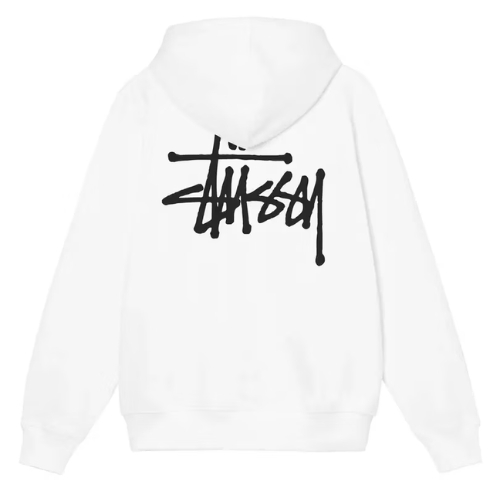
Return on Investment (ROI) in US streetwear has become a key factor for both fashion enthusiasts and resellers. The Stüssy Shirt and Godspeed Clothes represent two different approaches to value creation in this market. One is built on decades of trust and consistent demand, while the other thrives on bold design and fast-growing hype. Understanding their ROI potential requires looking beyond price and examining cultural influence, resale behavior, and long-term relevance. Both brands perform well, but they generate value in completely different ways within the US streetwear ecosystem.
The Stüssy Shirt stussyyofficial.com offers a stable and predictable ROI due to its long-standing reputation and broad market appeal. It is not typically associated with extreme resale spikes, but it maintains steady demand across different seasons. This consistency allows buyers to retain value over time, especially when items are kept in good condition. Its timeless design ensures that it does not go out of style quickly, making it a reliable piece in both fashion and resale markets. This stability makes it a low-risk investment in the US streetwear scene.
Godspeed Clothes provide a different type of ROI based on growth and trend momentum. The brand’s bold graphics and modern appeal attract younger audiences, creating opportunities for rapid demand increases. While resale values can vary, certain designs gain attention quickly and may sell at higher prices due to hype. This makes Godspeed a higher-risk but potentially higher-reward option. Its ROI depends heavily on timing and trend relevance, reflecting the fast-paced nature of modern US streetwear markets where popularity can rise and fall quickly.
The US streetwear market supports both stability and experimentation, allowing brands like Stüssy and Godspeed Clothes godspeedclothingg.com to thrive simultaneously. Established brands benefit from trust and consistent consumer demand, while newer brands gain traction through social media and cultural trends. This dynamic creates multiple ROI pathways, where both long-term investment and short-term flipping strategies can succeed. Understanding these market conditions helps explain why both brands maintain relevance despite their different approaches.
Resale behavior highlights the key differences in ROI between these brands. The Stüssy Shirt tends to sell consistently, often close to retail value, due to its broad appeal and reliability. In contrast, Godspeed Clothes can experience fluctuating resale performance depending on hype cycles and design popularity. Some pieces may achieve strong resale results, while others may not hold value as well. This variability makes Godspeed more unpredictable but also more exciting for resellers seeking higher returns.
Cultural influence plays a major role in shaping ROI. Stüssy has a deep connection to US streetwear history, giving it long-term credibility and stable demand. Godspeed Clothes reflect current youth culture, driven by digital platforms and modern aesthetics. This influence helps the brand gain attention quickly, but it also means its value is tied to ongoing relevance. Both brands demonstrate how cultural impact directly affects financial performance in streetwear.
Choosing between these two brands depends on investment strategy. The Stüssy Shirt suits individuals looking for consistent value and low-risk returns. Godspeed Clothes appeal to those willing to take risks for potentially higher profits. This contrast highlights how different investment approaches can exist within the same market, giving buyers flexibility based on their goals and risk tolerance.
The Stüssy Shirt and Godspeed Clothes together represent the full spectrum of ROI in US streetwear. One offers stability, reliability, and long-term value, while the other provides growth potential and trend-driven opportunities. Both are important in shaping the market, showing that success in streetwear investment depends on understanding timing, demand, and cultural relevance. Their differences make them equally valuable, depending on how individuals approach fashion as both style and investment.