Seasonal Fever vs. Dengue: When to Seek Immediate Medical Help
By Dr. Narendra Gupta Senior Consultant Physician & Chest Specialist
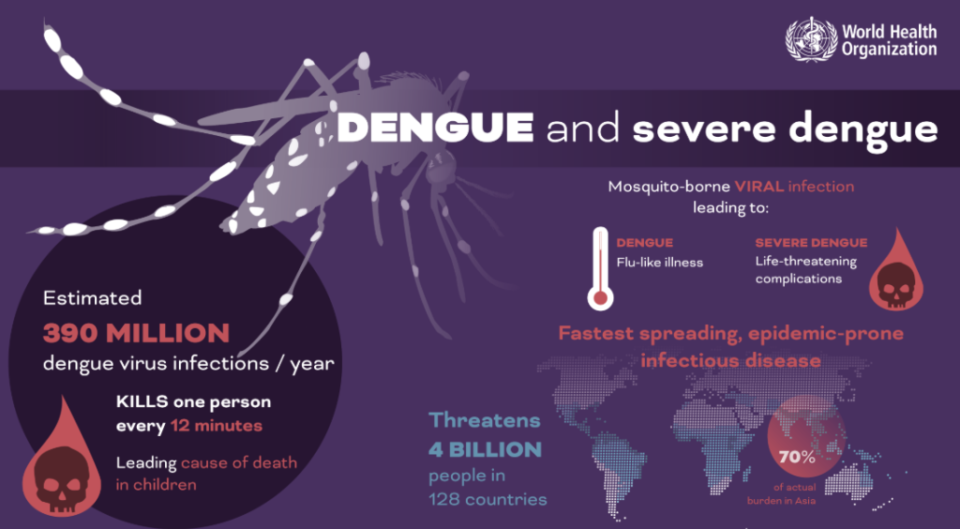
As the monsoon season transitions into the post-rainy months, clinics across Noida see a massive surge in fever cases. While many are drnarendraphysician.com simple “seasonal viral” infections, others are caused by the Dengue virus, which can quickly become life-threatening if not monitored correctly. Knowing how to spot the difference can be lifesaving.
1. Identifying Seasonal Viral Fever
Standard seasonal fevers (often including flu or the common cold) typically present with:
Mild to Moderate Fever: Often accompanied by a runny nose, sore throat, and a productive cough.
Gradual Improvement: Most patients begin to feel better within 2–3 days with rest and paracetamol.
Body Aches: General tiredness is common, but it is rarely debilitating.
2. The “Red Flags” of Dengue Fever
Dengue, often called “breakbone fever” due to the intense pain it causes, has several distinct warning signs:
Sudden High-Grade Fever: An abrupt onset where the temperature often exceeds 102°F or even 104°F.
Severe Eye Pain: A characteristic sharp pain located specifically behind the eyes that worsens with eye movement.
Intense Joint & Muscle Pain: Unlike the mild ache of the flu, Dengue causes severe, deep-seated pain in the joints.
Skin Rashes: Red, flushed spots or measles-like rashes typically appear 3–5 days after the fever begins.
3. The Dangerous “Platelet Drop”
One of the most critical differences is how Dengue affects your blood. After the fever starts to subside, your platelet count may plummet. This is the phase where complications like internal bleeding (Dengue Hemorrhagic Fever) can occur.
Daily Monitoring: If Dengue is suspected, blood tests should be repeated daily from the third day of illness until you are fully recovered.
4. When is it an Emergency?
Seek emergency care at a facility like Kailash Hospital immediately if you experience:
Persistent vomiting or abdominal pain.
Bleeding from the gums or nose.
Extreme restlessness or sudden sleepiness.
Rapid breathing or a weak, fast pulse.
5. Management and Prevention
There is no specific antiviral for Dengue; treatment is supportive.
Hydration is Key: Drink plenty of fluids—water, coconut water, and ORS—to prevent dehydration.
Avoid Self-Medication: Never take Aspirin or Ibuprofen for a suspected Dengue fever, as these can increase the risk of bleeding. Use only Paracetamol.
Conclusion
If a fever persists beyond two days without improvement, do not wait for a rash to appear. Early diagnosis through a simple blood test (NS1 Antigen or IgM/IgG) can ensure you receive the right care before complications arise.