
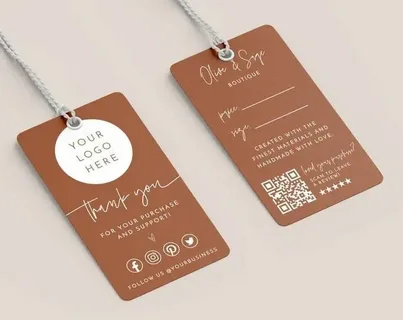
A brand does not just communicate what is placed in a package. Minor printed information affects the way purchasers perceive the quality, value, and personality. Custom Product Tags are directly involved in such communication. They put a story behind a product and furnish clients with handy information during the purchase. Tags control attention and predetermine the initial impression of a product in the retail premises. The memorability of a brand is affected by color, texture, typography, and the material used. An effective tag is a linkage of visual style and the purpose of the product. The tags help businesses in the fashion, handmade craft, and packaged goods sectors to gain recognition. As far as customers observe the same tag design on various products, the brand image is more memorable and stronger.
Companies that make products on a mass scale would tend to seek methods of ensuring visual consistency and controlling costs. Several suppliers are wholesalers of Product hang tags to ensure that the brands are able to maintain a consistent supply and stable prices. The strategy helps the brands have seasonal releases or have numerous lines of products. Having a big order maintains the visual presence of the stores and deliveries. This gives designers a chance to play with different elements of texture, shape, and print without compromising brand sense. Retailers would like to have a consistent type of tag that is immediately identified by the customers. The outcome is consistency of visual identity in the packaging and product displays. Regular labels bring about familiarity in busy shopping places where customers have to look at a lot of similar items.
Clothing companies use tags to convey information, including sizing, directions to follow, and brand narrative. Product hang tags for clothing merchandise can be visual, which correspond to the fabric, color scheme, and theme of a collection. A printed label is a tag, not just a label, but a quality printed tag. A customer who picks a shirt or jacket off the rack will then normally be looking at the tag, which is the first printed part. There is typography and understated textures used by designers to strengthen the tone of the line of clothing. Texture or embossed tags are used to promote heritage or craftsmanship, whereas minimalist tags boost modern fashion houses. The tag is not an appurtenance to the garment; it is an extension of it.
A tag design involves brands as a compromise between presentation and information. Custom product hang tags are favored by many companies as they can be shaped to any shape, print finish, and message can be customized completely. Designers see how the tag would fit on the product, the feeling it would give to a customer touching it, and the ease with which the tag can be read in the shop. Typography should also be clear enough and still reflect the brand character. The weight and the feel of the paper affect the durability of the tag in the hand of the customer. The designers use the tag as a miniature brand package sometimes. A tag that reflects the brand tone will increase the element of trust and give a feeling of authenticity.
Logos are effective in product recognition. Product hang tags with logos are used by many companies in their attempts to strengthen brand visibility at the point of sale. Having a logo printed on a tag in a clear way would be a visual cue that customers would remember. Designers will also put the logo in a place where it should be visible even when the product is on a rack. Embossing, foil accents, or heavy contrasts on the logo can bring out the logo without having to overpower the design. This is aimed at keeping the presentation clean to focus on the brand mark. The logo also aids in recognizing the popular brands by the shoppers as they flip through them in a short period. The awareness contributes to repeat buying and loyalty.
The place of manufacturing determines how the brands select the suppliers of tags. The reason many companies are attracted to Product Hang Tags US is due to the fact that local production will provide predictable shipping schedules and easier communication with printers. Local manufacturing can ease quality assurance and modification of the design during printing. Designers are able to work hand in hand with manufacturers to experiment with materials and techniques of printing, then finally produce. Such collaboration helps to ensure a steady outcome in terms of various print runs. Consistent production assists brands to have consistent product presentation seasonally. The retail partners will get goods that are equally appealing to the eye with the same visual standards each time they replenish stock.
The choice of the paper will determine the feel of a tag in the hand of the customer. Kraft product hang tags are liked by many designers as they offer a natural touch, nd ithey arewarm and natural. Kraft paper has a familiar look that best fits with homemade products, crafts, and an austere style of packaging. The slightly coarse texture takes in ink unlike the coated papers, thus giving a gentler visual effect. Typically paired with less graphic and simple typography, this material is usually combined with designers. What comes out is a presentation that seems to be down-to-earth and sincere. The texture is incorporated as a part of the design language, conveying the message of durability and craftsmanship usefulness which can be applied to most categories of products.
Luxury brands are very keenon ther printed details that accompany Custom Hang Tags USA their products. A luxury product hang tag can be characterized by thick stock, elegant typography, and subtle finishing styles that provide an indicator of exclusivity. The tag gets to be a miniature presentation of the craftsmanship and quality standards of the brand. Clients who look at expensive products will need all the facets of the presentation to correspond to the perceived value of the product. That expectation is added by weight, texture, and printing precision. When a tag is heavy and luxurious, it reinforces the importance of the thought that the product in question is produced as carefully. Even minor finishing touches affect the perception of the buyers of the general brand experience.
The presentation of the product affects the perceptions of the customers in terms of quality, confidence, and brand name. Custom Product Tags are an example of a communication tool that is small yet powerful in that process. Information is placed on the tag, visual branding is reinforced, and the initial physical contact between product and customer is formed. Each choice of the material, printing method, and layout design makes a difference in the feel and look of a tag. The association between product and brand message is reinforced when the businesses take time to design tags. A well-created label promotes a presentation of the retail and customer assurance. With the combination of design, material, and message, the tag acts as a silent spokesperson that identifies with the brand in all the store settings.